
Meditation doesn't have to be complicated to be meaningful. A few quiet moments each day can create space to slow down, reconnect with yourself, and bring a greater sense of intention into your routine. Whether you're completely new to meditation or hoping to become more consistent, creating a dedicated space and a few simple rituals can make all the difference.
A daily meditation routine isn't about sitting perfectly still or clearing your mind of every thought. It's about showing up, even for just a few minutes, and giving yourself permission to pause.
With thoughtfully designed meditation essentials from DharmaCrafts, you can create a comfortable, inviting space that supports your practice and makes meditation feel like a natural part of everyday life.
Why Creating a Daily Meditation Routine Matters
Building a consistent meditation practice starts with making it approachable. While longer meditation sessions can be beneficial, consistency is often more valuable than duration, especially when you're just beginning.
Setting aside five or ten minutes each morning or evening gives you an opportunity to step away from distractions and focus on the present moment. Over time, this simple habit can support mindfulness, emotional awareness, and a greater sense of calm.
One of the easiest ways to establish a home meditation practice is to create a routine that feels familiar. Sitting in the same space, using supportive meditation cushions, or lighting incense before beginning can help signal that it's time to slow down.
These small actions gradually become meaningful parts of your practice, transforming meditation from something you have to remember to do into something you look forward to.

Create a Dedicated Meditation Space at Home
You don't need an entire room to create a peaceful meditation environment. A quiet corner of your bedroom, living room, or home office can become a welcoming space for daily reflection.
The goal is to choose an area that feels comfortable, uncluttered, and easy to return to.
Start with a few simple elements:
-
Supportive seating: Choose meditation cushions that encourage comfortable, stable sitting.
-
Soft lighting: Natural light, a small lamp, or candlelight can create a calming atmosphere.
-
Meaningful objects: Include items that inspire mindfulness, gratitude, or personal reflection.
-
Minimal distractions: Keep your space organized and free from unnecessary clutter.
DharmaCrafts offers traditional meditation essentials that help bring these elements together, making it easier to create a space that feels both functional and personal.
Start With Supportive Seating: The Zafu and Zabuton Set
Comfort plays an important role in developing a sustainable meditation routine. When your body feels supported, it can be easier to settle into stillness without constantly adjusting your posture.
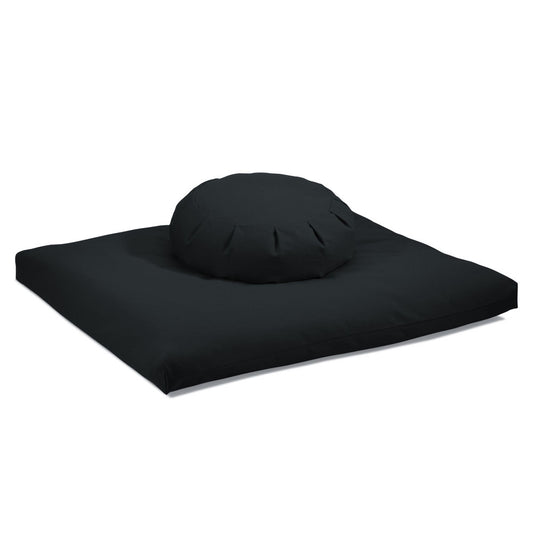
One of the most useful investments for a home meditation practice is a zafu and zabuton set.
What Is a Zafu?
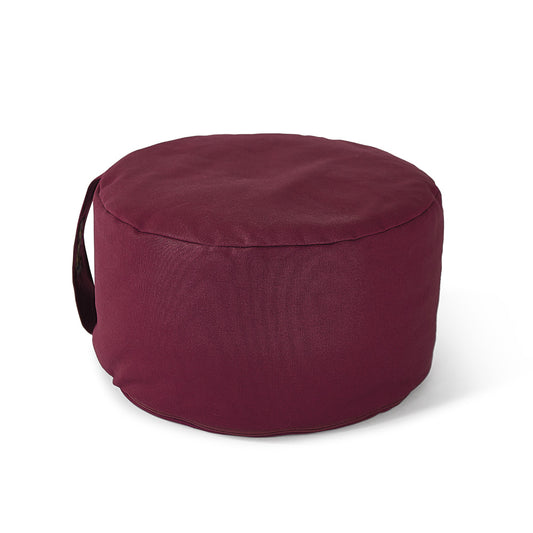
A zafu is a traditional meditation cushion designed to elevate the hips and provide a stable seated foundation.
By raising the hips slightly above the knees, a zafu can encourage a more comfortable seated position and support the spine's natural alignment.
This makes it especially helpful for seated meditation, whether you prefer a cross-legged position or another posture that works for your body.
What Is a Zabuton?
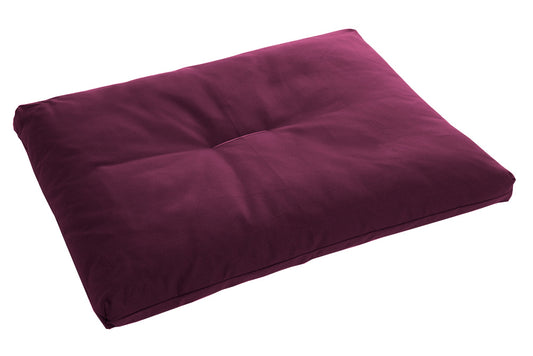
A zabuton is a larger, flat cushion placed underneath the zafu. It provides a padded surface for the knees, ankles, and feet, helping reduce pressure from sitting directly on a hard floor.
Together, the two cushions create a supportive foundation for meditation.
DharmaCrafts' zafu and zabuton sets offer a practical starting point for beginners while remaining valuable for experienced practitioners. Having a dedicated place to sit also creates a visual reminder to return to your practice each day.
Remember, meditation should never require you to push through pain. Adjust your cushions, change positions, or use a chair when needed.
Use Incense to Create a Mindful Transition
Sometimes the most challenging part of meditation is simply transitioning from a busy day into a quieter state of mind.
Creating a small ritual before sitting can help establish that transition.
For many practitioners, lighting incense becomes a meaningful way to begin meditation. The gentle fragrance and intentional act of lighting incense can serve as sensory reminders to slow down and become present.
DharmaCrafts offers incense that can complement your meditation space and become part of your daily routine.
Before beginning your practice, take a moment to light your incense, settle onto your cushions, and notice your breathing.
If you're sensitive to fragrance, you can create the same transition without incense. The intention behind the ritual matters more than the specific object.
Build a Personal Meditation Altar
A meditation altar can serve as a visual focal point and a place to display objects that hold personal or spiritual significance.
Your altar doesn't need to be elaborate. A small shelf, low table, or dedicated surface near your meditation cushions is enough.
DharmaCrafts' meditation altar accessories can help you create a space that reflects your intentions and personal practice.
Consider including:
-
A meditation altar: A dedicated surface for meaningful objects and daily reflection.
-
An incense holder: A simple way to incorporate incense into your ritual.
-
Prayer flags: Traditionally associated with prayers, compassion, and goodwill in Tibetan Buddhist practice.
-
A meaningful object: Something that reminds you of gratitude, mindfulness, or your intention for the day.
The purpose of an altar isn't to create a perfect display. It's to establish a space that encourages you to pause, reflect, and reconnect with what matters.
Incorporate an Eye Pillow for Rest and Reflection
Not every meditation session needs to involve sitting upright.
Some days, a restorative practice may feel more appropriate, particularly in the evening or after a demanding day.
An eye pillow can be a comforting addition to a lying-down meditation, body scan, or relaxation practice.
The gentle weight of an eye pillow can help reduce visual distractions and promote rest as you focus on your breathing.
Try using one during a short evening meditation or after seated practice to transition into a few minutes of quiet relaxation.
This simple accessory adds versatility to your meditation space and reminds you that mindfulness can take many forms.
How to Start Meditating: A Simple Daily Ritual
If you're wondering how to start meditating, begin with a routine that feels realistic rather than overwhelming.
Here's a simple 10-minute meditation ritual you can adapt to your schedule.
1. Prepare Your Space (1 Minute)
Find your dedicated meditation area. Arrange your zafu and zabuton, adjust the lighting, and light incense if you enjoy using it.
Take a moment to leave behind whatever you were doing before.
2. Set an Intention (1 Minute)
Before closing your eyes, consider what you'd like to bring into your practice.
Your intention might be patience, gratitude, compassion, or simply being present.
3. Focus on Your Breath (5 Minutes)
Sit comfortably with your spine naturally upright and your shoulders relaxed.
Bring your attention to your breathing without trying to change it.
When your mind wanders, gently return your focus to your breath. This process of noticing and returning is an important part of meditation.
4. Close With Gratitude (2 Minutes)
As your meditation comes to an end, reflect on something you appreciate.
You might silently acknowledge your intention or simply notice how your body and mind feel.
5. Transition Slowly (1 Minute)
Open your eyes, stretch gently, and take your time before returning to your day.
Rather than rushing into your next task, allow yourself to carry a little of that mindfulness forward.
Make Your Home Meditation Practice a Lasting Habit
The key to maintaining a daily meditation routine is making it easy to return to, even on busy days.
Try practicing at the same time each day, such as after waking up or before bed. Keep your meditation essentials accessible so you don't need to rearrange your space every time you sit.
Most importantly, allow your practice to evolve.
Some days may include twenty minutes of seated meditation, while others may involve five minutes of mindful breathing or quiet reflection. Both can be meaningful.
The goal isn't perfection. It's creating a consistent opportunity to reconnect with yourself.
Create a Ritual That Feels Like Your Own
A meaningful meditation practice begins with intention, not complexity. By setting aside a dedicated space, choosing supportive accessories, and establishing a few simple rituals, you can make mindfulness a more natural part of everyday life.
From a comfortable zafu and zabuton set to thoughtfully selected incense, meditation altars, prayer flags, and eye pillows, DharmaCrafts offers essentials that help you create a practice rooted in comfort, tradition, and personal meaning.
Whether you're beginning your meditation journey or returning to an established practice, remember that every moment of stillness is an opportunity to begin again. With a space that welcomes you and a ritual that feels authentic, even a few minutes each day can become something worth returning to.