
Throughout the Buddhist calendar, sacred days offer opportunities to pause, reflect, and reconnect with the teachings of the Buddha. Among the most meaningful Tibetan Buddhist holidays is Lhabab Düchen, a celebration of wisdom, gratitude, and the importance of putting spiritual teachings into practice.
Observed on November 1, 2026, Lhabab Düchen invites practitioners to honor the Buddha's compassion and teachings through meditation, generosity, and mindful offerings.
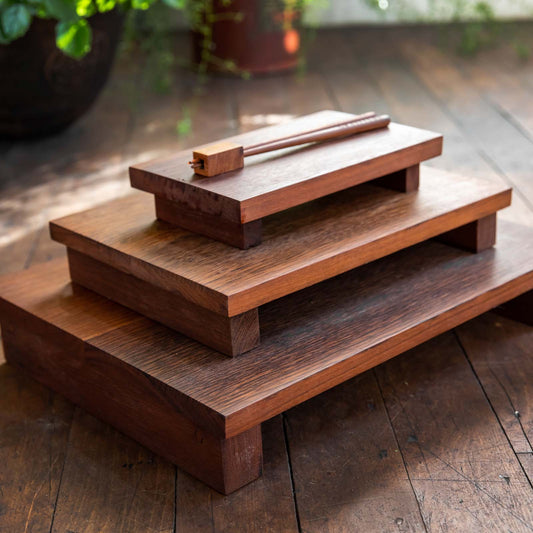
While monasteries and Buddhist communities may mark the occasion with ceremonies and prayers, meaningful observance can also begin at home. A thoughtfully arranged Buddhist home altar, complete with Buddha statues, incense, and traditional offering bowls, can provide a dedicated space for reflection and daily practice.
Whether you're establishing your first altar or refreshing an existing meditation space, DharmaCrafts offers traditional Buddhist altar essentials to help you create an environment that supports your spiritual journey.
What Is Lhabab Düchen? Understanding Its Meaning and Significance
The meaning of Lhabab Düchen is rooted in a traditional account of the Buddha's life. According to Tibetan Buddhist tradition, Shakyamuni Buddha ascended to the Heaven of the Thirty-Three, known as Trāyastriṃśa, to teach the Dharma to his mother, who had been reborn there, and other celestial beings.
Lhabab Düchen commemorates the Buddha's return to the human realm, where he continued sharing his teachings for the benefit of all beings.
The holiday is one of the four major Buddhist festivals recognized in Tibetan Buddhism, each honoring an important event in the Buddha's life.
For practitioners, the day serves as a reminder that Buddhist wisdom is not meant to remain confined to scriptures or ceremonial occasions. It is something to cultivate through everyday actions, meditation, compassion, and generosity.
Lhabab Duchen 2026 falls on Sunday, November 1, making the beginning of November a meaningful time to reflect on these teachings and renew your personal practice.

Creating a Buddhist Home Altar for Lhabab Düchen
A Buddhist home altar serves as a physical reminder of spiritual intentions. It provides a dedicated place for meditation, contemplation, and offerings while encouraging mindfulness throughout daily life.
Your altar doesn't need to be elaborate. A small shelf, wooden table, or quiet corner can become a meaningful sacred space when arranged with care and intention.
Begin by choosing a clean, peaceful location where you can sit comfortably without frequent distractions. Consider placing your altar near your meditation cushions to create a cohesive practice area.
Traditional Buddhist altar essentials may include:
-
Buddha statues: A visual reminder of awakening, compassion, and the teachings of the Buddha.
-
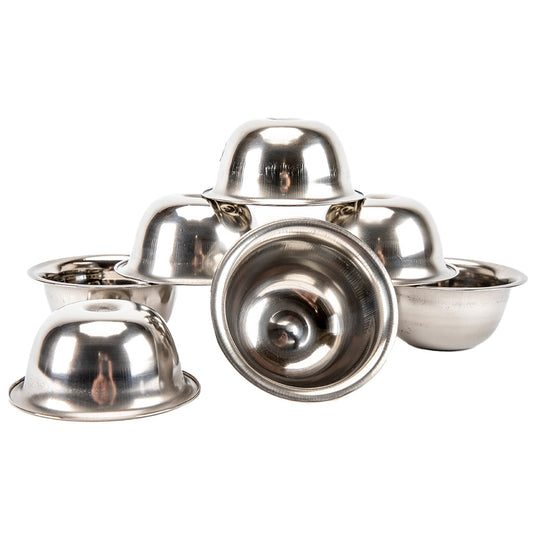
Offering bowls: Used to present water or other symbolic offerings as expressions of generosity and respect.
-
Incense and incense holders: Commonly used during Buddhist ceremonies and personal meditation practices.
-
Flowers or candles: Symbols that can encourage reflection on impermanence, wisdom, and spiritual growth.
Buddha statues and altar accessories help create a traditional yet personal meditation space, whether you have an entire room or a small apartment corner.
The most important element isn't the size of your altar but the intention you bring to it.
Honoring the Buddha With Traditional Altar Offerings
One meaningful way to observe Lhabab Düchen is through Buddhist altar offerings.
In Buddhist traditions, offerings are expressions of generosity, gratitude, and reverence. They are not intended to provide something the Buddha needs. Instead, the practice helps cultivate qualities such as selflessness, appreciation, and mindfulness.
Water Offerings and Offering Bowls
Water offerings are particularly common in Tibetan Buddhist practice. Traditionally, a series of offering bowls may represent water for drinking and washing, flowers, incense, light, perfume, food, and music.
Practitioners may arrange seven or eight bowls depending on their tradition.
For a simple home practice, you can begin by placing clean water in an offering bowl and taking a moment to reflect on generosity.
DharmaCrafts' traditional offering bowls can become a lasting part of your Buddhist home altar, helping establish a consistent and meaningful daily ritual.
Flowers, Light, and Other Meaningful Offerings
Fresh flowers can serve as reminders of beauty and impermanence, while light offerings symbolize wisdom illuminating ignorance.
You might place a small arrangement of seasonal flowers beside your Buddha statue or light a candle before beginning meditation.
Each offering provides an opportunity to practice mindfulness. Rather than focusing on creating a perfect arrangement, approach the ritual with gratitude and care.
Incorporating Incense Into Your Meditation Practice
Incense has long been associated with Buddhist ceremonies, offerings, and contemplative practice.
In many traditions, fragrant incense symbolizes ethical conduct and serves as an offering of respect. Its gentle fragrance can also help establish a recognizable atmosphere for meditation.
During Lhabab Düchen, consider beginning your practice by lighting incense at your altar and taking a few quiet breaths.
As the fragrance fills your space, reflect on the Buddha's teachings and the qualities you wish to cultivate in your own life.
Choose a fragrance that feels appropriate for your practice, and always burn incense in a suitable holder with adequate ventilation. If you're sensitive to smoke, you can create a meaningful meditation ritual without burning incense.
The purpose is not to create a particular sensory experience, but to use a simple action as a reminder to return to the present moment.

Practicing Meditation on Lhabab Düchen
Although traditional ceremonies are an important part of Lhabab Düchen, meditation offers another accessible way to honor the occasion.
You don't need an elaborate ritual or an extended meditation session. Even ten minutes of intentional practice can create space for reflection.
Begin by sitting comfortably near your Buddhist home altar. A supportive meditation cushion can help establish a stable seated position, allowing you to focus more fully on your practice.
Take several natural breaths and bring your attention to the Buddha statue or another meaningful object on your altar.
Reflect on a teaching that resonates with you, such as compassion, generosity, patience, or mindfulness.
You might silently consider how to bring that teaching into your interactions throughout the day.
For those establishing a regular meditation routine, DharmaCrafts' zafu and zabuton meditation cushions can help create a comfortable, dedicated place for sitting practice.
Over time, returning to the same space can reinforce the habit of meditation and help make spiritual practice a natural part of everyday life.
Keeping Your Buddhist Altar Meaningful Beyond the Holiday
While Lhabab Düchen provides a special opportunity for reflection, the practices associated with the holiday can continue throughout the year.
Maintaining your altar can become a simple act of mindfulness.
Refreshing water offerings, cleaning your Buddha statue, arranging flowers, or preparing incense encourages you to approach your spiritual space with care.
These small actions can also serve as reminders to pause during busy days.
A thoughtfully maintained altar doesn't need to remain unchanged. As your practice develops, you may choose to incorporate additional Buddhist altar accessories or adjust the arrangement to better support your needs.
DharmaCrafts offers traditional altar essentials that can grow alongside your practice, helping you create a space that remains both functional and personally meaningful.
Ultimately, the value of a Buddhist home altar comes from how it supports your commitment to meditation, compassion, and mindful living.
Carrying the Spirit of Lhabab Düchen Into Everyday Life
Lhabab Düchen reminds us that the Buddha's teachings continue to hold meaning through the ways we practice them. Honoring the occasion doesn't require an elaborate ceremony or a large sacred space. A few moments of meditation, a simple water offering, or a thoughtful act of generosity can become meaningful expressions of gratitude and respect.
By creating and caring for a Buddhist home altar, you establish a place where these intentions can become part of your daily routine. With DharmaCrafts' Buddha statues, offering bowls, incense, and traditional altar accessories, you can create a space that reflects your practice and fosters a deeper connection to Buddhist teachings.
As you reflect on Lhabab Düchen, remember that the most meaningful offering is not necessarily something placed upon an altar. It is the compassion, wisdom, and mindfulness you carry into the world beyond it.