
Creating a peaceful place to meditate doesn't require a dedicated room, a large home, or an elaborate setup. Sometimes, all you need is a quiet corner, a comfortable cushion, and a few meaningful objects to create a space that encourages mindfulness and reflection.
Whether you live in a small apartment, share your home with others, or simply want to make better use of an unused corner, designing a small meditation space can help you establish a consistent daily practice.
With thoughtfully chosen meditation essentials from DharmaCrafts, you can transform even the smallest area into a welcoming retreat. From supportive meditation cushions to Buddha statues, incense holders, and altar accessories, a few intentional additions can help create an environment that feels calm, functional, and personal.
Why Create a Dedicated Meditation Space at Home?
Having a designated place for meditation can help establish a sense of routine. When you return to the same space each day, the familiar surroundings become a gentle reminder to pause, breathe, and reconnect with the present moment.
A dedicated meditation area also helps separate your practice from the distractions of everyday life. Even if your meditation corner is only a few feet away from your desk or living room, creating a visual distinction can make the space feel more intentional.
The goal isn't to design a picture-perfect meditation room. It's to create an environment that supports your practice and makes mindfulness more accessible.
For beginners and experienced practitioners alike, a comfortable and inviting space can make it easier to return to meditation consistently.

Step 1: Choose the Right Location for Your Meditation Corner
The first step in creating a small meditation space is finding an area where you can sit comfortably with minimal interruptions.
You don't need much square footage. A corner of your bedroom, a quiet spot near a window, or an unused section of your living room can work beautifully.
When exploring meditation corner ideas, consider a few practical details:
-
Natural light: A space near a window can feel open and inviting, especially for morning meditation.
-
Minimal distractions: Choose an area away from televisions, busy walkways, and frequently used household items.
-
Enough floor space: Make sure there's room for your meditation cushion and a comfortable seated position.
-
Easy accessibility: Select a location you can return to without rearranging furniture every day.
If you're creating an apartment meditation space, consider using an area that already feels peaceful. A small bedroom corner or a spot beside a bookshelf may be all you need.
The best location is one that fits naturally into your daily life.
Step 2: Start With Comfortable Meditation Cushions
Comfort is one of the most important elements of a functional meditation space.
Sitting directly on a hard floor can place unnecessary pressure on your knees, ankles, and hips, making it difficult to remain comfortable during longer meditation sessions.
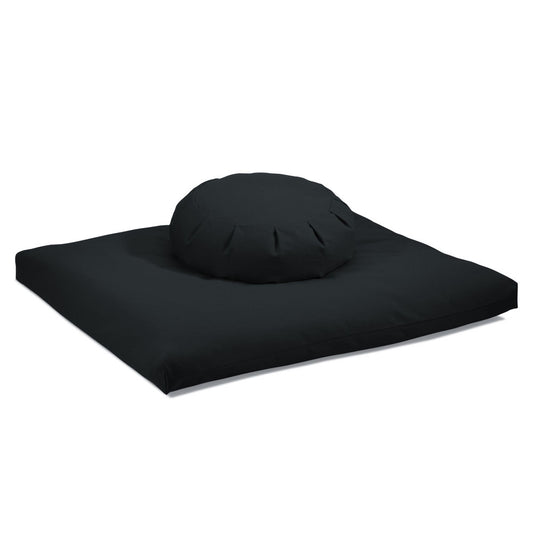
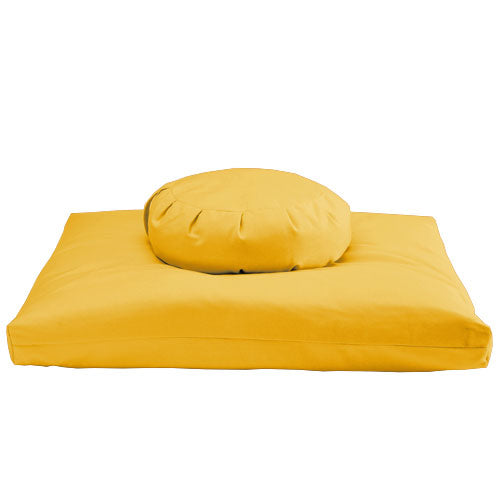
A traditional zafu and zabuton set provides a supportive foundation for seated meditation without taking up much space.
What Is a Zafu?
A zafu is a traditional meditation cushion designed to elevate the hips and encourage a comfortable, stable seated posture.
By raising the hips slightly, the cushion can help maintain the spine's natural alignment and reduce strain from sitting directly on the floor.
What Is a Zabuton?
A zabuton is a larger, flat meditation cushion placed underneath the zafu.
It provides padding beneath the knees, ankles, and feet, creating a softer surface for seated meditation.
Together, the zafu and zabuton offer a practical seating arrangement that works particularly well in smaller spaces.
Meditation cushions are designed to support traditional seated practice while fitting naturally into a home meditation setup.
When you're finished meditating, the cushions can remain neatly arranged as part of your space or be stored away when additional floor space is needed.
Step 3: Create a Simple Home Meditation Altar
A meditation altar can serve as a meaningful focal point for your practice.
In many Buddhist traditions, altars are used to honor the Buddha, reflect on teachings, and support devotional or contemplative practices. For those approaching meditation from a more personal perspective, an altar can also serve as a dedicated space for meaningful objects and daily reflection.
A home meditation altar doesn't need to be large or elaborate. A small shelf, low table, or compact altar placed against a wall can work beautifully.
What Should You Include on a Meditation Altar?
Start with a few objects that support your intentions and personal practice.
Consider incorporating:
-
Buddha statues: A traditional focal point that represents awakening, wisdom, and compassion.
-
Incense burners: A practical accessory for safely incorporating incense into your meditation ritual.
-
Altar accessories: Meaningful objects that support reflection, devotion, or mindfulness.
-
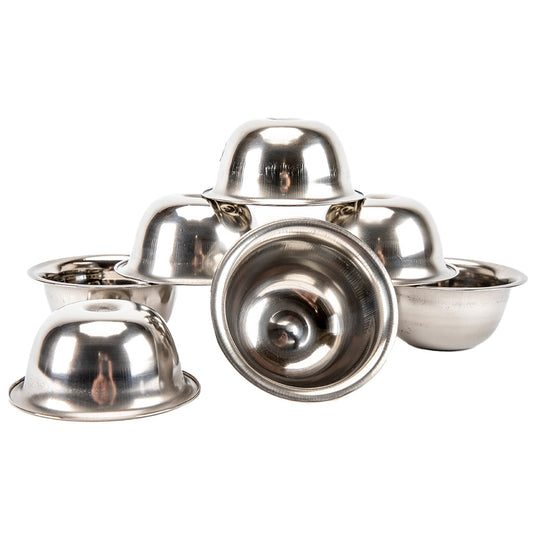
A small offering bowl: An optional addition for traditional offerings or symbolic expressions of gratitude.
Buddha statues and meditation altar accessories can help create a thoughtful, cohesive space.
Rather than filling your altar with decorations, focus on choosing a few items that hold meaning.
A simple arrangement can feel especially peaceful in a small meditation corner.
Step 4: Create a Calming Atmosphere With Incense and Lighting
The atmosphere of your meditation space can influence how welcoming it feels.
Soft lighting, natural textures, and a few sensory details can help create a peaceful environment without overwhelming a small area.
Incorporate Incense Into Your Daily Ritual
In many Buddhist traditions, incense is used as an offering and a symbol of mindfulness and reverence.
Lighting incense before meditation can also become a simple ritual that marks the transition from daily responsibilities to quiet reflection.
Incense and incense holders can complement your meditation setup while adding a traditional element to your practice.
Choose a scent you enjoy, keep your incense holder on a stable, heat-resistant surface, and ensure the space is well ventilated. If you're sensitive to fragrance or smoke, you can create the same mindful transition without incense.
Use Soft, Natural Lighting
Lighting can make a small space feel warmer and more inviting.
If possible, position your meditation corner near a window to take advantage of natural daylight.
For evening meditation, a small lamp with warm lighting can help create a softer atmosphere.
Avoid overly bright lighting or unnecessary decorative elements that may distract from your practice.
Step 5: Keep Your Meditation Space Minimal and Intentional
One of the advantages of creating a minimalist meditation room or corner is that you can focus on what truly supports your practice.
You don't need multiple pieces of furniture, elaborate decorations, or a large collection of accessories.
Instead, prioritize a few essentials that serve a clear purpose.
Your meditation cushions provide comfort, your altar offers a meaningful focal point, and incense or soft lighting can help establish a calming atmosphere.
Consider keeping nearby surfaces free from clutter and choosing a consistent arrangement for your meditation essentials.
A simple, organized space can make it easier to settle into your practice without unnecessary distractions.
Step 6: Make Your Meditation Corner Part of Your Daily Routine
Once you've created your meditation space, the next step is making it part of your everyday life.
Start by choosing a consistent time to practice. You might meditate for five minutes after waking up, take a short mindfulness break in the afternoon, or spend a few quiet moments reflecting before bed.
A simple daily routine might include:
-
Prepare your space: Arrange your meditation cushions and adjust the lighting.
-
Set an intention: Take a moment to reflect on what you'd like to bring into your practice.
-
Begin meditating: Focus on your breath, observe your thoughts, or follow a guided meditation.
-
Close with reflection: Acknowledge how you feel before returning to your day.
Consistency matters more than the length of your sessions.
Even a few minutes of daily meditation can help establish a meaningful habit, especially when your space is comfortable and ready whenever you need it.
Create a Peaceful Meditation Space, No Matter the Size of Your Home
A meaningful meditation practice doesn't depend on how much space you have. With a little intention and a few thoughtfully selected essentials, even the smallest corner can become a welcoming place for mindfulness, reflection, and stillness.
From a supportive zafu and zabuton set to Buddha statues, incense holders, and traditional altar accessories, DharmaCrafts offers meditation essentials that work together to create a comfortable and functional home practice. Each piece can serve a purpose without overwhelming your space, allowing you to build a meditation corner that reflects your personal needs and intentions.
Whether you're designing a small apartment meditation space or creating a quiet retreat within a larger home, remember that simplicity is often the most valuable starting point. Your meditation space doesn't need to be perfect or elaborate. It only needs to invite you to return, take a breath, and make room for a few moments of peace each day.