
In the middle of busy schedules, daily responsibilities, and life's unexpected challenges, it's easy to become disconnected from ourselves and others. Taking a few moments to slow down and practice compassion can help us approach everyday life with greater patience, understanding, and kindness.
Loving-kindness meditation, also known as mettā meditation, is a traditional Buddhist practice that encourages us to cultivate feelings of goodwill toward ourselves and others. Rather than focusing solely on quieting the mind, this practice invites us to intentionally develop kindness, compassion, and a sense of connection.
Whether you're new to meditation or looking to deepen your existing practice, loving-kindness meditation can be a meaningful addition to your daily routine. With a quiet space, comfortable meditation cushions, and a few thoughtful elements from DharmaCrafts, you can create an environment that supports a consistent and peaceful practice.

What Is Loving-Kindness Meditation?
Loving-kindness meditation, or mettā meditation, is a Buddhist meditation technique centered on cultivating unconditional goodwill toward all beings.
The word mettā comes from the Pali language and is commonly translated as loving-kindness, friendliness, or benevolence.
Unlike meditation practices that primarily emphasize observing the breath or bodily sensations, mettā meditation uses intentional phrases and reflection to develop a compassionate state of mind.
Traditionally, practitioners begin by directing loving-kindness toward themselves before gradually extending those wishes to others, including loved ones, acquaintances, people with whom they experience difficulty, and eventually all living beings.
The goal isn't to force positive emotions or ignore challenging feelings. Instead, the practice encourages a gentle willingness to wish ourselves and others well, even when compassion doesn't come naturally.
The Benefits of Practicing Mettā Meditation
Loving-kindness meditation offers an opportunity to strengthen compassion while developing a more mindful relationship with our thoughts and emotions.
With regular practice, mettā meditation may help:
-
Encourage self-compassion: Develop a kinder and more patient relationship with yourself.
-
Strengthen emotional awareness: Recognize difficult emotions without reacting immediately.
-
Support meaningful connections: Cultivate empathy and goodwill toward others.
-
Reduce feelings of stress: Create moments of calm and emotional balance throughout the day.
-
Develop greater patience: Practice responding to everyday challenges with understanding rather than frustration.
While every meditation experience is different, consistency can help make compassion a more natural part of daily life.
How to Create a Peaceful Space for Loving-Kindness Meditation
You don't need a dedicated meditation room or an elaborate home altar to practice mettā meditation. A quiet corner of your bedroom, living room, or another comfortable area can become a meaningful space for reflection.
The most important elements are comfort, simplicity, and an environment that allows you to focus.
Start with Comfortable Meditation Cushions
A comfortable seated position can make it easier to remain present during meditation.
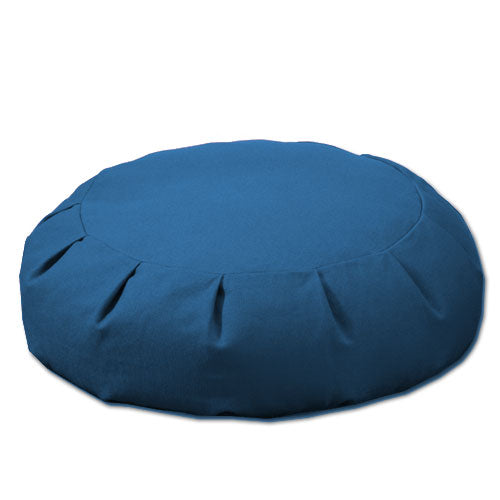
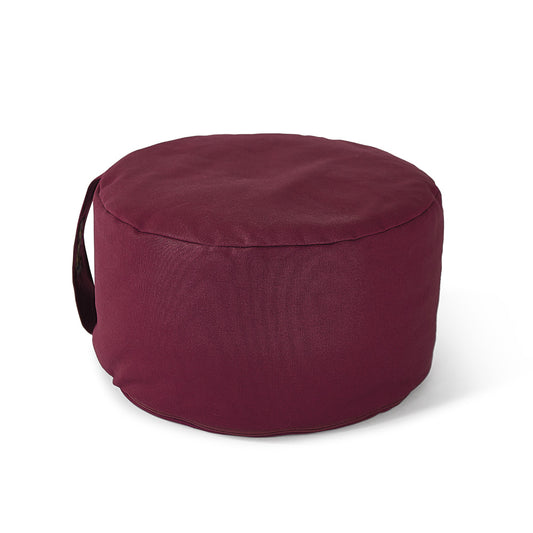
Traditional zafu and zabuton meditation cushions work together to provide support during seated practice. The zafu elevates the hips, while the zabuton provides cushioning beneath the knees, ankles, and feet.
DharmaCrafts offers traditional meditation cushions designed to support a variety of seated meditation practices.
Choose a position that allows your spine to remain naturally upright without unnecessary tension. If sitting on the floor isn't comfortable, practicing in a chair is equally appropriate.
Add a Kuan Yin Statue as a Symbol of Compassion
Kuan Yin, also known as Guanyin, is a revered bodhisattva associated with compassion and mercy in East Asian Buddhist traditions.
A Kuan Yin statue can serve as a meaningful visual reminder of the qualities cultivated during loving-kindness meditation.
Placing a statue on a small home altar, shelf, or meditation table creates a focal point for reflection.
Before beginning your practice, you might spend a few moments observing the statue and considering what compassion means in your own life.
DharmaCrafts offers Kuan Yin statues and traditional Buddhist altar accessories that can help create a thoughtful meditation environment.

Incorporate Incense into Your Meditation Ritual
Scent can become a familiar part of your meditation routine, helping signal the transition from daily activities into a quieter, more intentional moment.
Lighting incense before meditation can create a simple ritual that encourages mindfulness and presence.
Choose a gentle fragrance that you find pleasant, and place the incense in a stable, heat-resistant holder away from fabrics and other flammable materials. Always burn incense in a well-ventilated space and never leave it unattended.
Incense is entirely optional. The purpose is not to create a perfect atmosphere, but to establish a routine that helps you return to your practice.
A Simple Guided Loving-Kindness Meditation for Beginners
One of the most approachable aspects of mettā meditation is its simplicity. You don't need previous experience with Buddhist meditation techniques to begin.
Set aside approximately 10–15 minutes in a quiet space and follow these steps.
Step 1: Settle into Your Meditation Space
Sit comfortably on your meditation cushions or in a supportive chair.
Allow your shoulders to relax, rest your hands naturally, and gently close your eyes or soften your gaze.
Take several slow, natural breaths, noticing the sensation of breathing without trying to control it.
Give yourself permission to be present without needing to accomplish anything.
Step 2: Begin by Offering Loving-Kindness to Yourself
Bring your attention inward and silently repeat a few simple phrases:
May I be safe.
May I be healthy.
May I be peaceful.
May I live with ease.
Repeat these words slowly, allowing space between each phrase.
You may notice warmth, resistance, distraction, or very little emotion at all. Every experience is welcome. The intention to practice kindness is more important than producing a particular feeling.
Step 3: Extend Loving-Kindness to Someone You Love
Next, bring to mind someone you care about.
This might be a family member, close friend, mentor, or another person who naturally inspires feelings of warmth.
Silently offer them the same wishes:
May you be safe.
May you be healthy.
May you be peaceful.
May you live with ease.
Imagine offering these words with sincerity and without expecting anything in return.
Step 4: Expand Compassion to Others
Gradually extend your attention to someone you don't know particularly well, such as a neighbor, coworker, or person you encounter during your daily routine.
As your practice develops, you may also choose to include someone with whom you have experienced difficulty.
This step can be challenging, so approach it gently. Practicing compassion doesn't mean excusing harmful behavior or abandoning healthy boundaries.
Finally, expand your wishes outward to include all living beings:
May all beings be safe.
May all beings be healthy.
May all beings be peaceful.
May all beings live with ease.
Step 5: Close with Gratitude and Awareness
After repeating your final phrases, allow yourself to sit quietly for a few moments.
Notice your breathing, the sensations in your body, and any emotions that may have arisen.
When you're ready, gently open your eyes and return your attention to your surroundings.
Consider carrying one small intention of kindness into the rest of your day.

Making Loving-Kindness Meditation a Daily Habit
Like many Buddhist meditation techniques, mettā meditation becomes more familiar through regular practice.
You don't need to meditate for an hour or follow an elaborate routine to experience its value. Even five or ten minutes each morning can provide an opportunity to reconnect with compassion.
Keeping your zafu and zabuton in a designated area, maintaining a small altar with a Kuan Yin statue, or beginning each session with a simple ritual can help establish consistency.
Over time, your meditation space can become a familiar reminder to slow down, reconnect with yourself, and approach others with greater kindness.
Cultivating Compassion, One Meditation at a Time
Loving-kindness meditation reminds us that compassion is not simply something we feel. It is something we can intentionally practice and strengthen.
Through the repetition of simple phrases, mindful awareness, and a willingness to extend goodwill, mettā meditation offers a meaningful way to nurture kindness toward ourselves and the world around us.
Creating a peaceful home environment can make it easier to return to that practice. With supportive meditation cushions, a Kuan Yin statue, incense, and thoughtfully chosen altar accessories from DharmaCrafts, you can establish a dedicated space that encourages reflection and consistency.
Whether you begin with five minutes or a longer meditation session, remember that every moment spent cultivating compassion matters. With patience and practice, the kindness you nurture on your meditation cushion can gradually become part of how you move through everyday life.