
Restorative yoga offers a gentle way to slow down, release tension, and reconnect with your body. Unlike more active styles of yoga, restorative yoga focuses on comfort, supported postures, and intentional breathing, allowing you to settle into each pose without strain.
The beauty of practicing restorative yoga at home is that you don't need a dedicated studio or complicated equipment. With a comfortable yoga mat, supportive cork yoga blocks, and a quiet space, you can create a calming routine that fits naturally into your day.
Whether you're new to yoga or looking to incorporate more mindful movement into your routine, DharmaCrafts' thoughtfully designed yoga essentials can help make your home practice more comfortable and accessible.

Why Practice Restorative Yoga at Home?
Restorative yoga is designed to encourage relaxation by supporting the body in gentle, restful positions. Rather than focusing on flexibility or physical intensity, the practice emphasizes stillness, comfortable alignment, and slow breathing.
Creating a regular restorative yoga routine at home can offer several benefits:
-
Encourages relaxation: Gentle postures and intentional breathing can help calm the mind and reduce everyday stress.
-
Releases physical tension: Supported stretches allow muscles to relax without excessive effort.
-
Supports mindfulness: Slowing down creates opportunities to reconnect with your breath and body.
-
Makes movement accessible: Props let you adjust poses to suit your comfort and mobility.
-
Creates a calming ritual: Even 15–20 minutes of restorative yoga can become a meaningful part of your daily wellness routine.
The key is creating an environment where your body feels supported enough to relax completely.
Essential Restorative Yoga Props for Your Home Practice
Having the right restorative yoga props can make a noticeable difference in your comfort, especially when holding poses for several minutes.
A Comfortable Yoga Mat for Home Practice
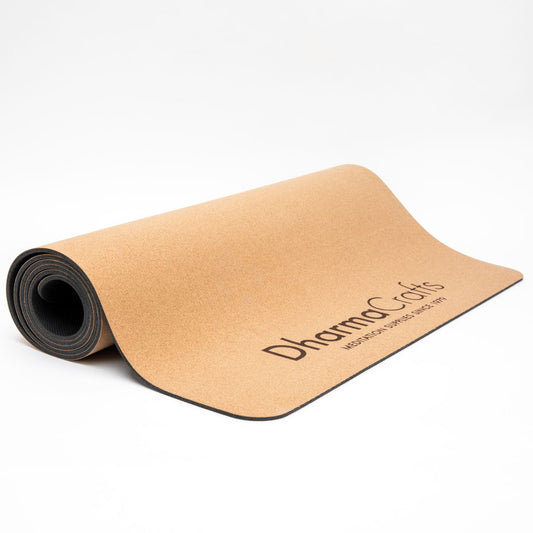
A quality yoga mat provides the foundation for a comfortable and restorative practice. Cork yoga mats offer a naturally textured surface that provides grip and stability, helping you feel grounded and supported as you move through gentle stretches and relaxing poses.
The DharmaCrafts Cork Yoga Mat brings natural materials into your practice while offering a supportive surface for mindful movement. Cork's natural texture helps provide traction, making it easier to maintain stability and alignment as you transition between poses. Its earthy feel also complements the calming atmosphere of a restorative yoga routine.
Whether you're practicing in a dedicated yoga space, a quiet corner of your home, or outdoors on a beautiful day, a cork yoga mat helps create a welcoming space to slow down and reconnect with your body.
Having a designated mat can also help establish a calming daily ritual, signaling that it's time to step away from distractions, focus on your breath, and make space for rest.
Cork Yoga Blocks for Support and Alignment
Cork yoga blocks are among the most versatile yoga essentials for a restorative practice. They help bring the floor closer, provide stable support, and make certain poses more comfortable without requiring deep flexibility.
Cork yoga blocks can be incorporated into seated stretches, supported forward folds, and gentle reclined postures.
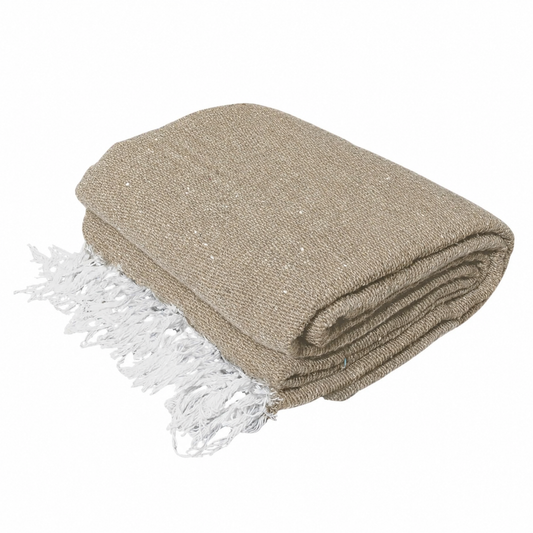
Additional props, such as folded blankets, cushions, and pillows, can provide softness and support when holding longer restorative poses.
A Gentle Restorative Yoga Routine to Try at Home
This beginner-friendly restorative yoga sequence can be completed in approximately 20–30 minutes. Move slowly, breathe naturally, and adjust each posture to suit your body.
Restorative yoga should never feel forced or painful. Use your props generously and prioritize comfort over how deeply you stretch.
1. Supported Child's Pose (Balasana)
Hold for 3–5 minutes
Begin by kneeling on your yoga mat with your knees comfortably apart. Place a firm cushion or bolster lengthwise in front of you and gently lower your torso onto it, turning your head to one side.
Your yoga mat cushions your knees while the additional support allows your upper body to relax. If needed, place a folded blanket beneath your knees or between your hips and heels.
This pose encourages gentle relaxation through the back, shoulders, and hips. Focus on breathing slowly and allowing your body to settle with each exhale.
2. Supported Seated Forward Fold (Paschimottanasana)
Hold for 2–4 minutes
Sit comfortably on your mat with your legs extended in front of you. Bend your knees slightly and place a folded blanket underneath your hips if needed.
Position your cork yoga blocks beneath your hands or forearms as you gently hinge forward from your hips. Keep your spine comfortable rather than forcing yourself toward your toes.
Using blocks reduces the need to reach toward the floor, making this pose more accessible to beginners and anyone experiencing hamstring tightness.
The goal isn't to stretch as far as possible, but to find a position where you can breathe comfortably and gradually release tension.
3. Supported Reclined Butterfly Pose (Supta Baddha Konasana)
Hold for 3–5 minutes
Lie on your back with the soles of your feet together and allow your knees to open gently toward the sides.
Place a cork yoga block beneath each outer thigh or knee to prevent the legs from dropping too far. Adjust the height of the blocks until your hips feel fully supported.
For additional comfort, position a cushion or folded blanket beneath your head.
This gentle posture encourages relaxation through the hips and inner thighs while allowing your entire body to rest.
DharmaCrafts' cork yoga blocks are especially useful here because they provide steady support, allowing you to remain in the pose without actively holding your legs in position.
4. Legs Up the Wall (Viparita Karani)
Hold for 5–8 minutes
Position your yoga mat near a clear wall. Sit sideways beside the wall, then gently rotate onto your back as you extend your legs upward.
Adjust your distance from the wall so your legs and lower back feel comfortable. You can keep your knees slightly bent or place a folded blanket beneath your head for additional support.
Rest your arms comfortably beside your body and close your eyes.
Legs Up the Wall is a popular restorative yoga posture for unwinding after a long day. The supported position allows you to remain still while focusing on slow, steady breathing.
If elevating your legs feels uncomfortable, simply rest your calves on a chair instead.
5. Final Relaxation (Savasana)
Hold for 5 minutes
Finish your gentle yoga routine by lying comfortably on your mat with your arms relaxed beside you.
Place a rolled blanket or cushion beneath your knees to release tension in your lower back. If your head needs additional support, use a small folded towel.
Allow your breathing to return to its natural rhythm and notice how your body feels after your practice.
Savasana is an opportunity to experience stillness without distraction. Rather than rushing into your next activity, give yourself a few quiet moments to fully settle.
How to Create a Calming Yoga Space at Home
Your environment plays an important role in creating a restorative yoga practice at home. Fortunately, you don't need an entire room dedicated to yoga to establish a peaceful atmosphere.
Choose a quiet corner with enough space to comfortably roll out your yoga mat. Keep your cork yoga blocks, blankets, and other yoga essentials nearby so you can transition between poses without interrupting your relaxation.
Consider incorporating soft lighting, calming music, or a few minutes of mindful breathing before beginning.
Consistency matters more than creating the perfect space. Even a small, thoughtfully arranged area can become a welcoming place to reconnect with yourself.
Make Restorative Yoga Part of Your Daily Routine
Restorative yoga doesn't require an hour of free time or an elaborate sequence of poses. Some days, your practice might include just one supported posture and five minutes of intentional breathing.
Start with a routine that feels manageable, whether that's 15 minutes in the morning, a short afternoon reset, or a calming evening practice before bed.
Over time, these moments of stillness can become a valuable opportunity to slow down and care for your physical and mental well-being.
Build Your Home Yoga Practice With DharmaCrafts
Creating a restorative yoga practice at home begins with giving yourself permission to slow down. With the right environment, supportive equipment, and a gentle approach, yoga can become a comforting ritual rather than another task on your schedule.
DharmaCrafts' Sunbrella Roll Up & Go Yoga Mat, Cork Yoga Mat, or Eco Organic Roll Up and Go Yoga Mat along with Cork Yoga Blocks offer practical tools for building a more supported and accessible practice. Whether you're exploring restorative yoga for the first time or deepening an existing routine, these yoga essentials can help you create a space that encourages comfort, mindfulness, and relaxation.
The most meaningful part of restorative yoga isn't how long you practice or how perfectly you perform each pose. It's the opportunity to pause, listen to your body, and make room for rest in your everyday life.